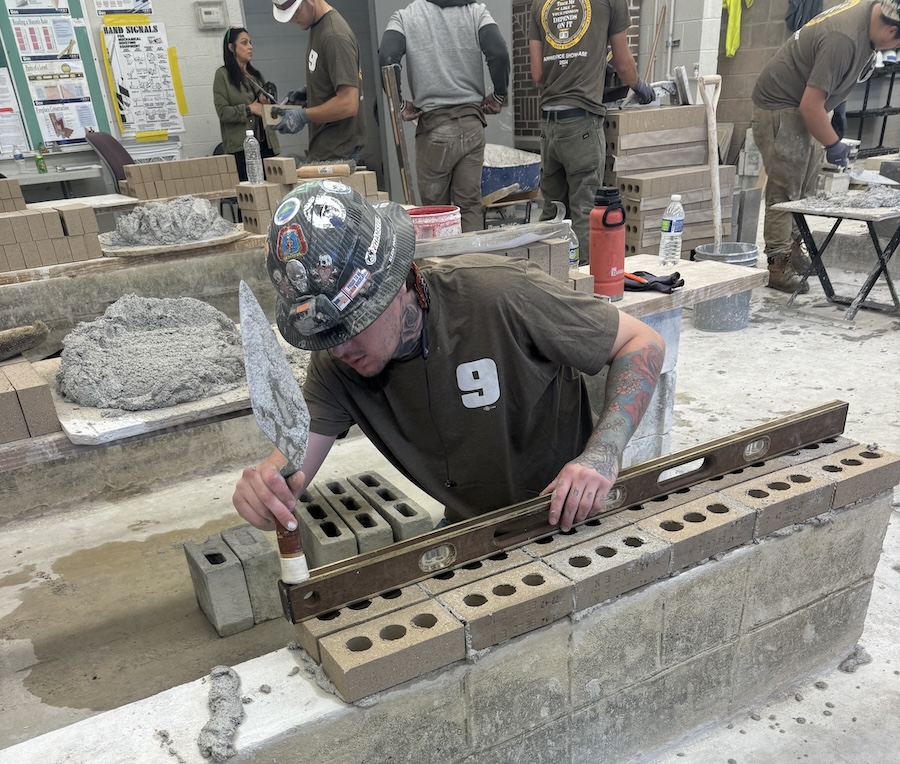
More Young People are Choosing Apprenticeships over College; Here’s Why.

Simply put, for those who don’t like to sit at a desk all day and prefer to work with their hands, all while not accruing massive amounts of debt, an apprenticeship beats the “four years then hope” college plan. Especially on cost. College Board estimates the average for tuition and fees at a public four-year college for in-state students are about $11,950 per year (2025–26). That’s nearly $48,000 for a four-year degree, before the cost of housing, food, and books. Apprenticeships, by contrast, are “earn while you learn,” giving apprentices the on-the-job training they need while already collecting a paycheck.

For the crafts supported by the Bricklayers and Allied Craftworkers Local Union 9, the pay trajectory is quite strong. As of May 2024, masonry workers earned a median $56,600 and flooring installers/tile and stone setters earned a median $52,000. Even at the low end, these occupations start far above minimum wage. The lowest 10% of masonry workers earned under $38,520 and the lowest 10% of flooring/tile workers earned under $35,850 according to the Bureau of Labor Statistics (BLS).

Job security and opportunity matters, too. In 2024, unemployment for adults with only a high school diploma averaged 4.2%. Construction demand is steady and growing. BLS projects about 20,700 masonry openings each year on average through 2034, driven largely by retirements. On top of that, 90% of apprentices who complete their apprenticeship programs retain their employment.

Bottom line: an apprenticeship gets you paid sooner, builds a debt-lighter path, and puts you into a field that keeps building, even when trends change. Plus, these skills travel anywhere, including homebuilding, commercial projects, historic restoration and much more. With the right training, the opportunities for career advancement are countless.